Wednesday, 19 August 2009

Tibetan Countryside - Going to Yangpachen Geothermal Area

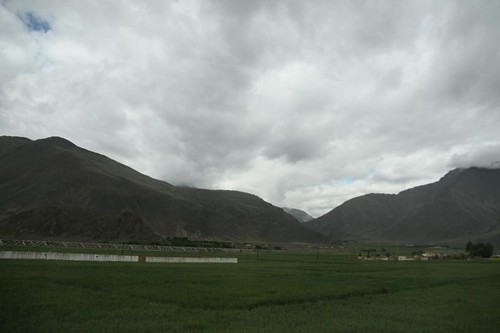
Every morning, we wake up as early as 7 with an hour for breakfast before we headed out to the various destination by coach. Most of these photos here are taken from the coach. With only about 6 days in Tibet, every moment was precious. We went past several hours of Tibetan countryside before we reached the Yangpachen Geothermal Area, a spa resort famous for its medicinal hot springs.


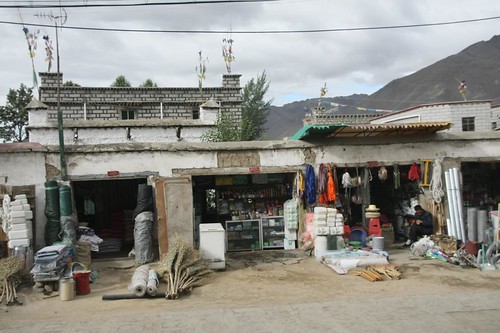
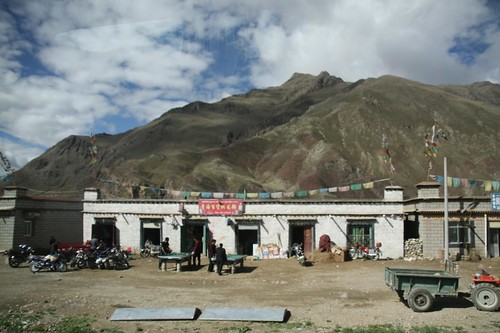
Roadside shops with vendors waiting for customers. You can see prayer flags on the corners of the taller white building. Weapons were once used instead of prayer flags.


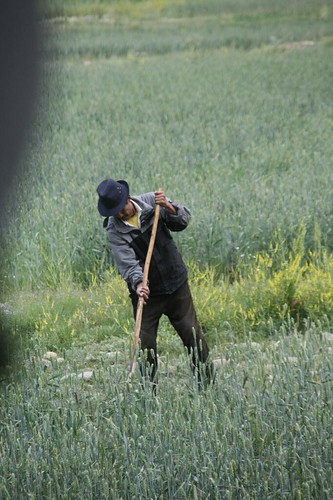
A farmer working in the fields


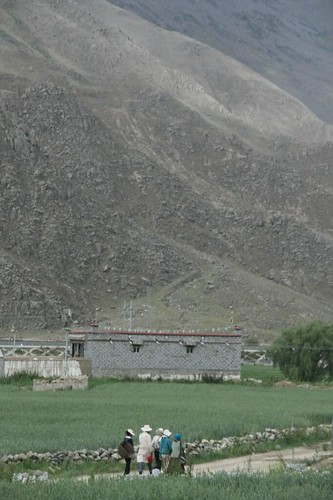
A group of farmers walking along a path

Yaks grazing on the pastures
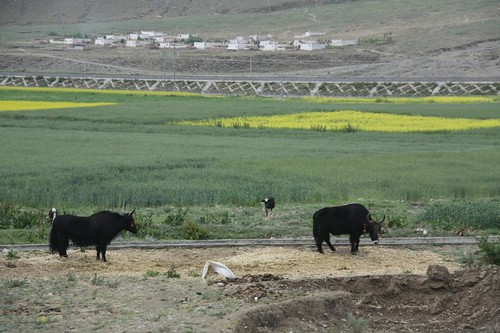


Lady farmers working together in the fields
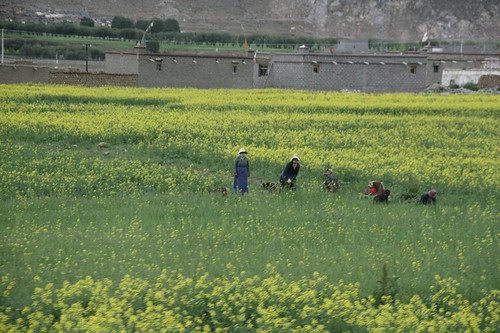

Another row of roadside shops
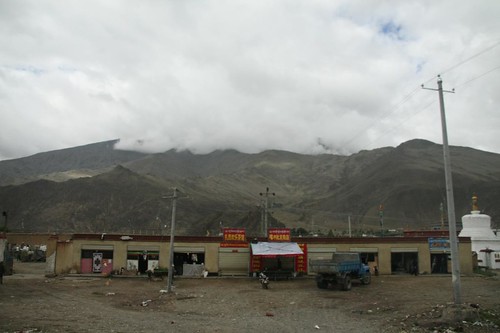

Both lady and men doing laborious work.
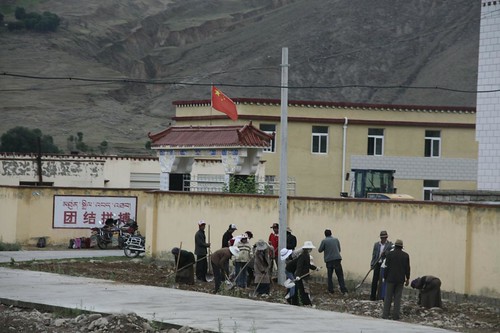

Ladies doing some manual labour with their spades


The coach stopped at this spot. An announcement for a toilet break was made in the coach. Some elderly aunties were slowly making their way out of the coach when they realised, they're in the middle of nowhere. "Where is the toilet?", they asked. And, the tour guide pointed at the wall by the roadside. Shocked and disapproved, they went back to their seats.
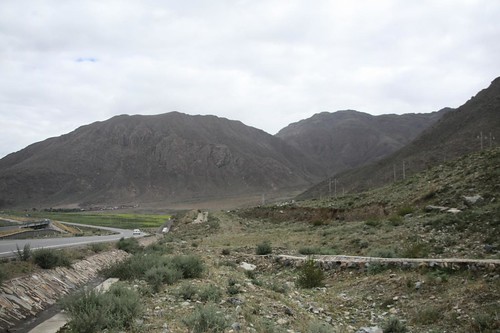

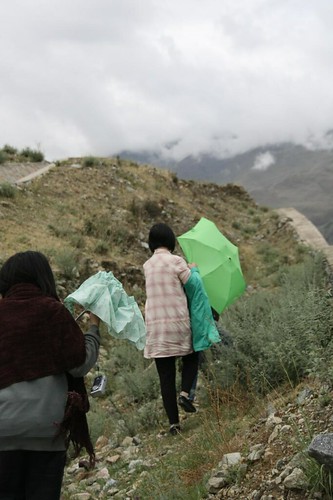
I saw the stop as a photo opportunity. My sister went with another lady to the "toilet" with their umbrellas as covers. This type of toilet is later coined as "singing mountain song". I actually came to enjoy singing mountain song than visiting the regular lavatory. Once, we had to do it in someone's farm! It was quite an experience. Another time, our choice of venue was in front of a stream where the mountain was behind it. A priceless moment in life! Where in the world can girls relieve themselves like this?

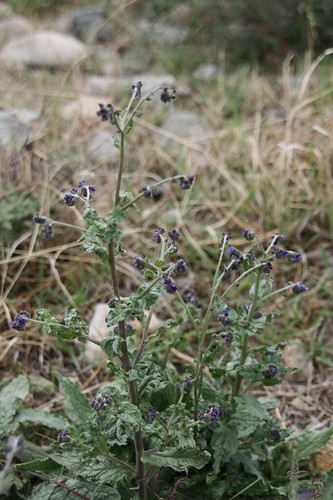
While the others were singing mountain song, I ventured around. A tiny purple flower plant.

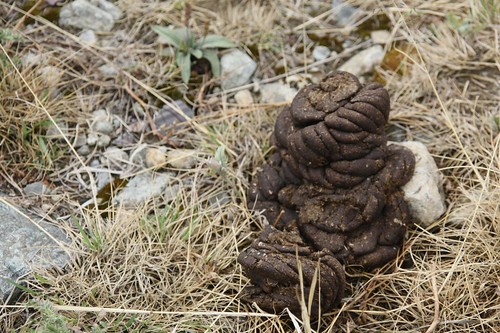
A heap of cow dung looking like a coil of rope

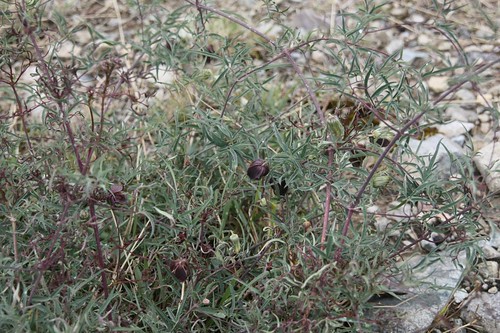
Some other plant with brownish red fruits

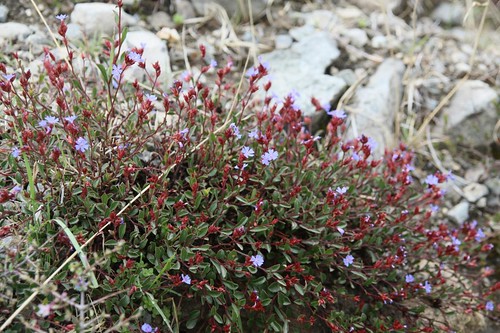
Tiny red flowers

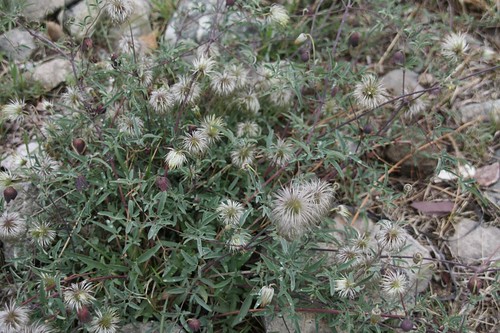
Plant with dandelion-looking flowers

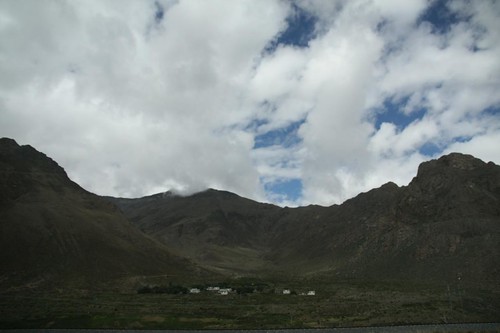
A village in the valley. I love watching the villages in the valleys. They are so away from everything, from technology, from bizarre entertainment news, from violents and uprisings. Their life is detached from all worldly matters and they are simple and self-reliant.

A horsey drinking water
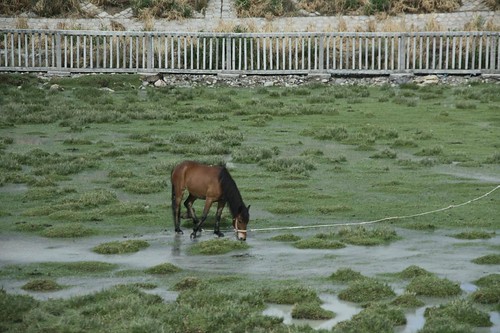

Tibetan houses. This one is a castle-like house.
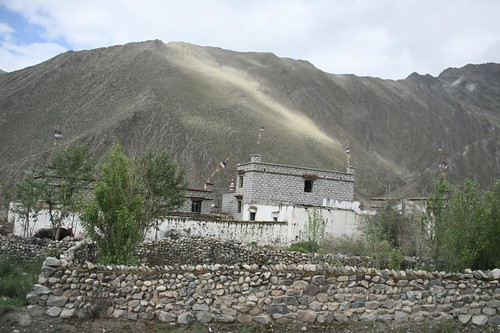

A yak standing alone by the road side
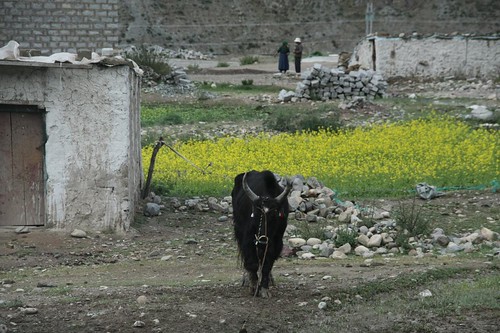

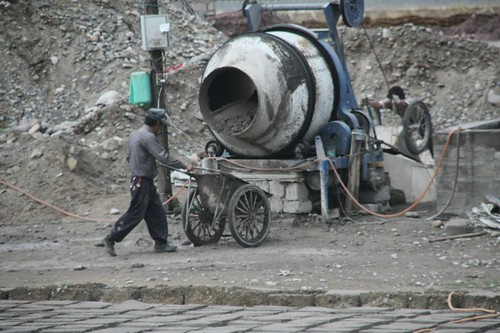
A man and a woman shoveling to mix the cement
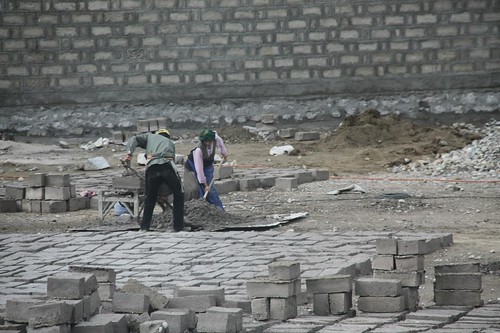

A man on his return to fill his barrel with more cement mixture

Another farming scene


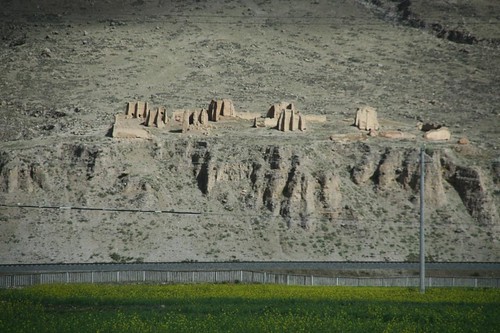
A ruin by the mountain slopes

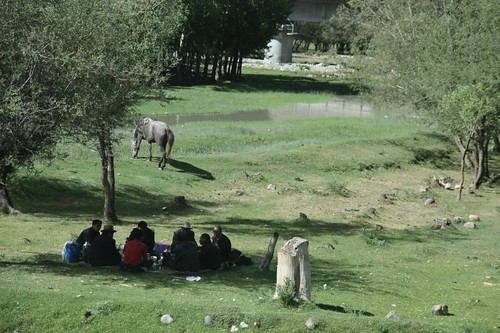
Farmers having lunch under the shade while a grey horse grazes on the grass.

One-storey castle-like shophouses by the roadside

Rape seed fields
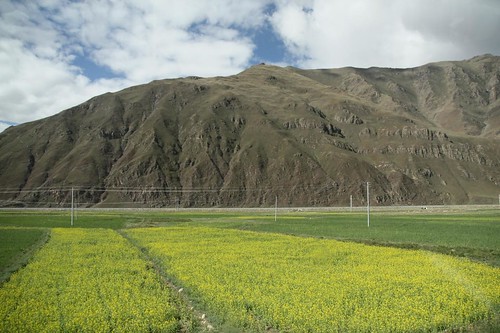

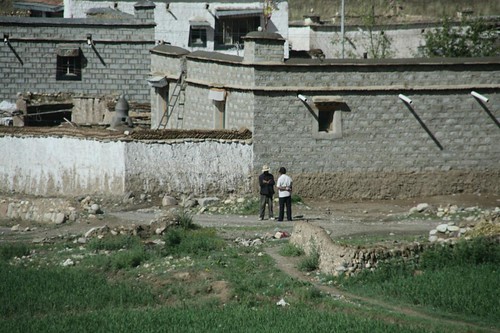
A Tibetan neighbourhood

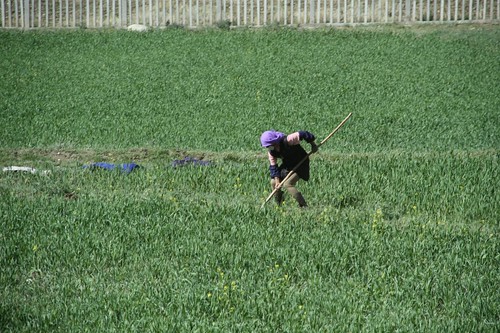
A farmer hard at work

A small brick house beside the highway
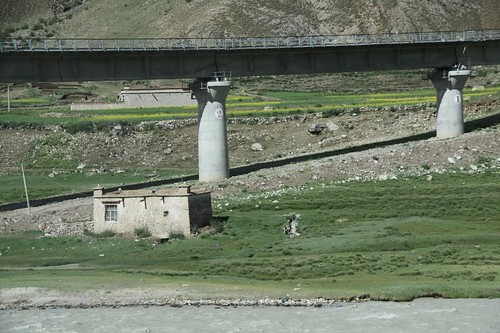

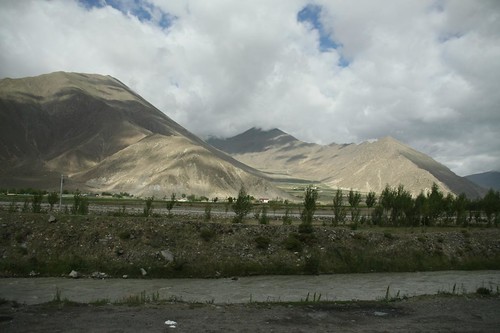
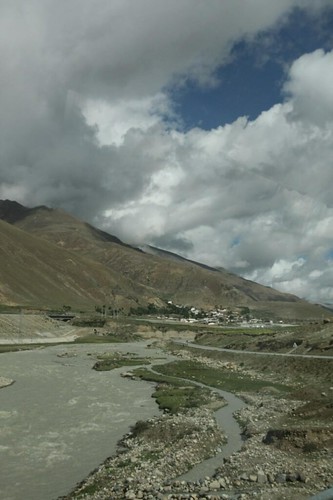
A flowing river with a village in the far distance

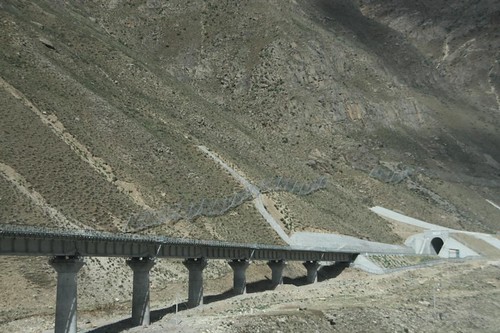
A highway road leading to a tunnel in the mountain

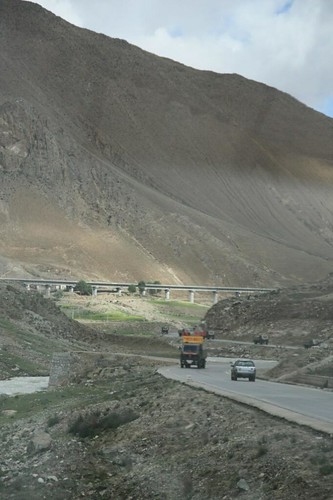
A car overtaking an orange truck. In the distance, a beeline of army trucks approaching.

The long highway stretches across valleys and rivers
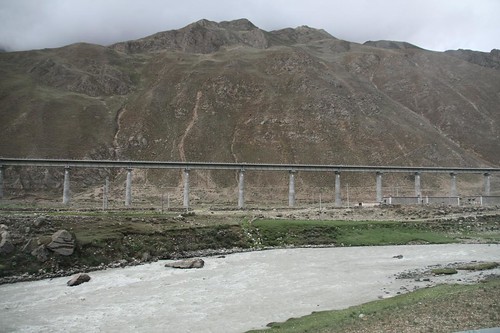

Village and fields in the valley as the highway passes through
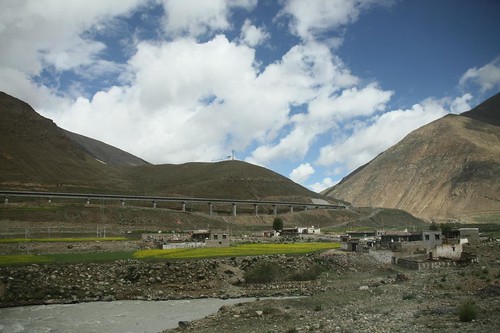

So much activity going on on the road. Trucks were ferrying products, farmers or villagers in smaller trucks or motorcycles carrying all sort and tourists in the 4WD or coaches excited about the new places of attractions.


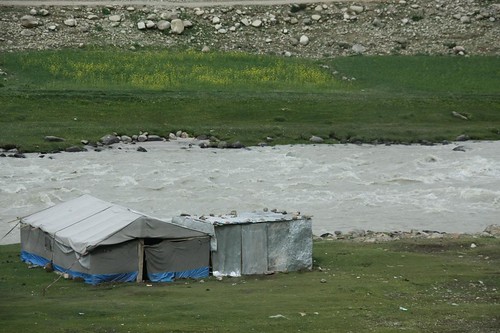
A tent by the river

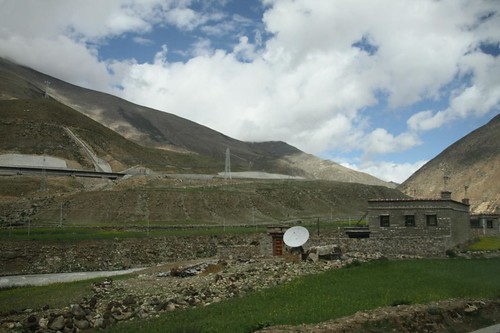
A Tibetan house with a satellite dish

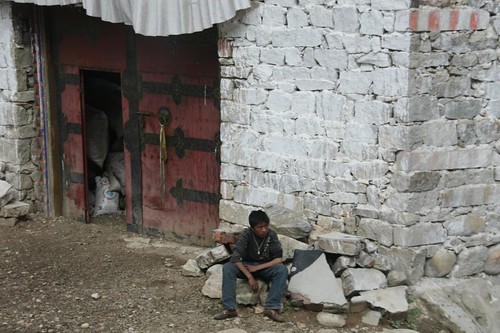
Man sitting by the side of the entrance

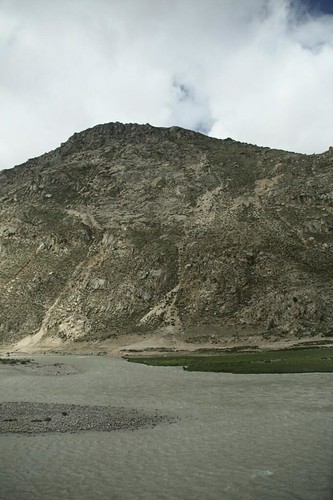
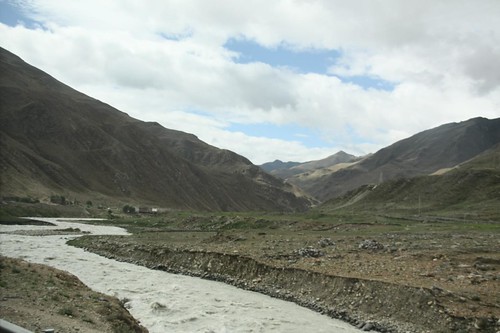
A river crossing mountains

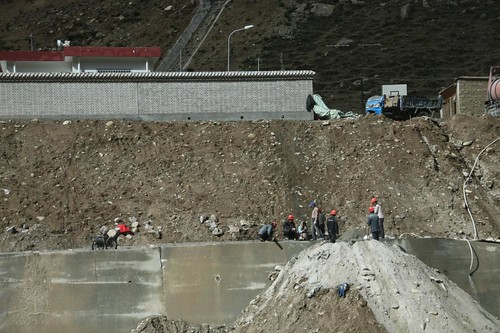
Construction workers with their orange safety helmets

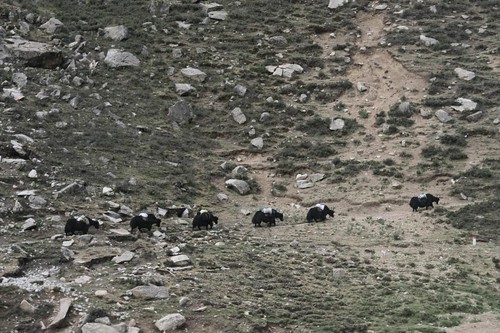
A line of yaks climbing up the mountain

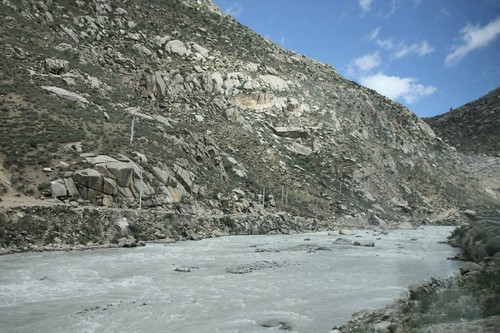
I've seen muddy river and blue rivers but the water in the river looks milky.

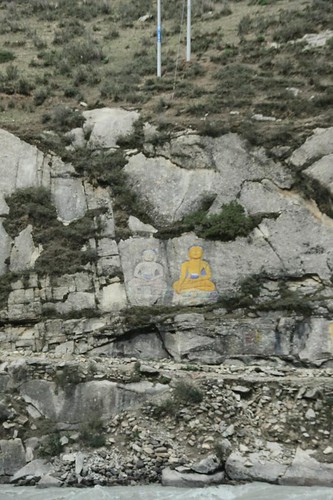
A mural on the rocks of mountain protectors


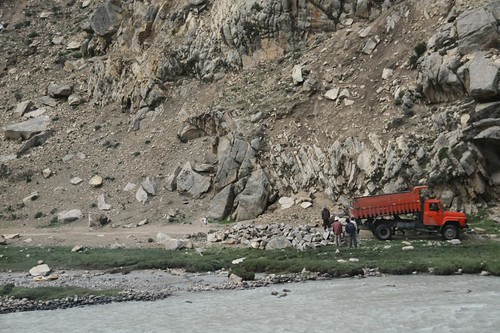
A red truck by the side of the mountain
Tuesday, 11 August 2009

Bakhor Market, Lhasa

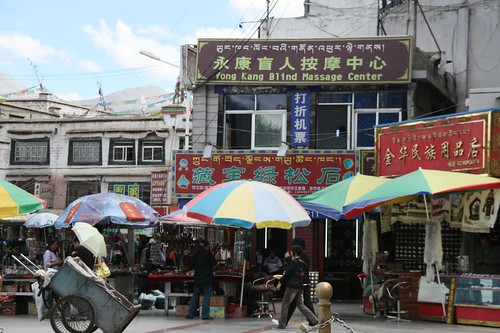
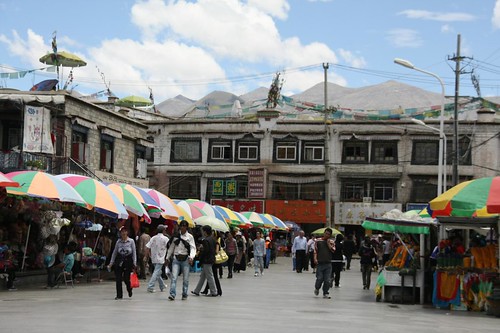
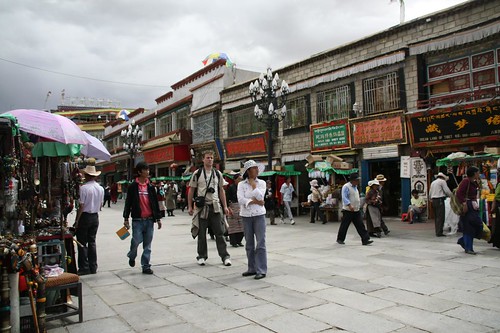
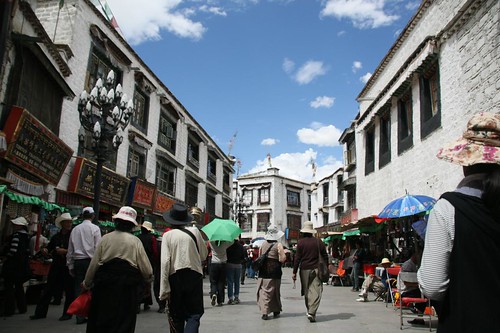
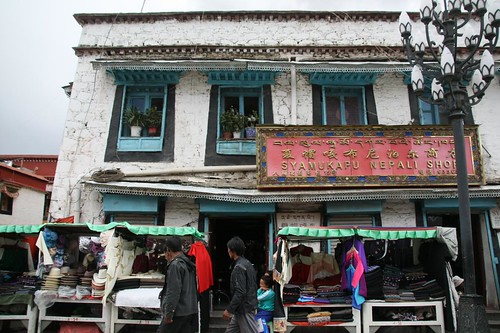
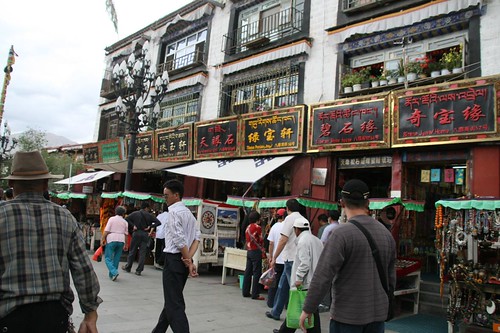
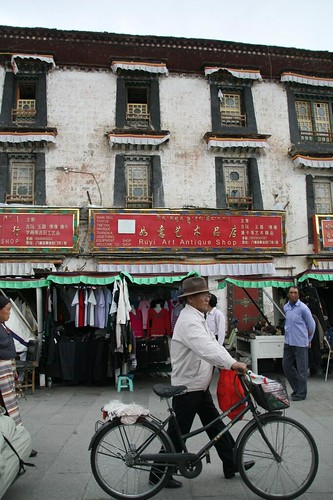
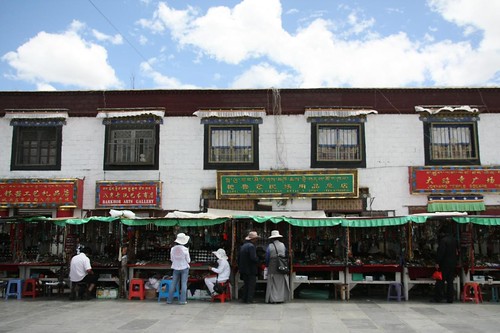
The Bakhor Market covers the street around Jokhang temple is themed with life. Tibetans and tourists alike filled up the pavement which lined many stalls selling all sorts of provisions, mostly souveniers, handicrafts and sometimes food. It is apparently the oldest street in Lhasa. While you will see many old shop houses, these are often blocked by stalls. You can ask for a bargain of up to 60% of the price given by the stall vendors.

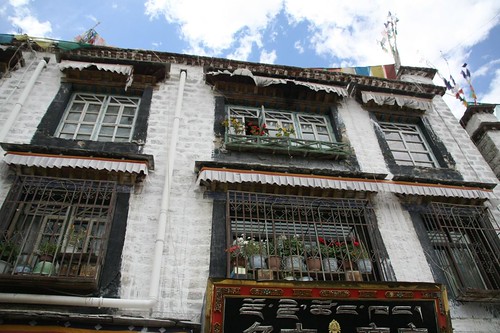
I love visiting markets because the streets are so alive with them. Many people are passing by, some in Tibetan costumes, some in other tribal attires. You can hear a tourist negotiating bargains with the vendor, each trying to understand one another with what common language they can come up with. The vendors would usher you into their stalls to browse their products. In the oldness of the Bakhor market, I found a sense of richness. The old whitish buildings with their colourfully framed windows looked like a painting from a history book. The people with their simplicity and generous smiles. It's heartwarming and I absorbed the entire scene completely with delight. This is perhaps a certain sort of Tibetan romanticism as I marveled at all that was around.


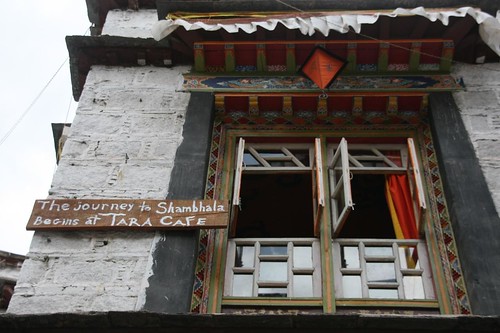
I want to go to Shambala too, if I can find it!


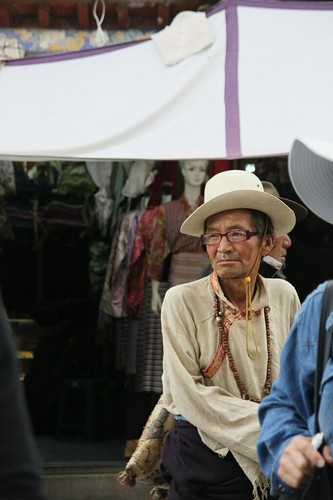
A man in interesting attire


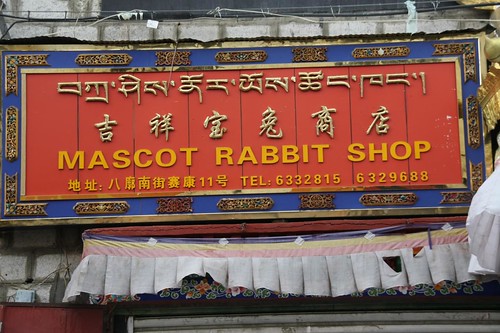
Rabbit is their mascot?


Art and antique shop! Me love!


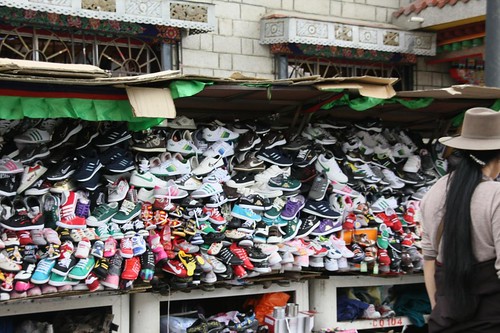
So many shoes!


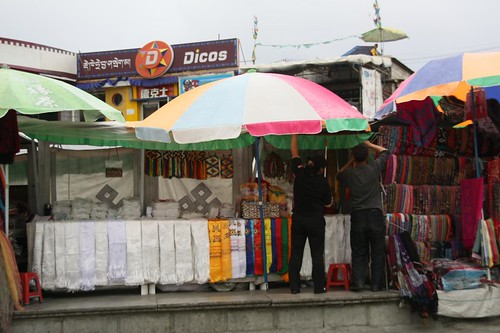
A couple selling textile and scarfs


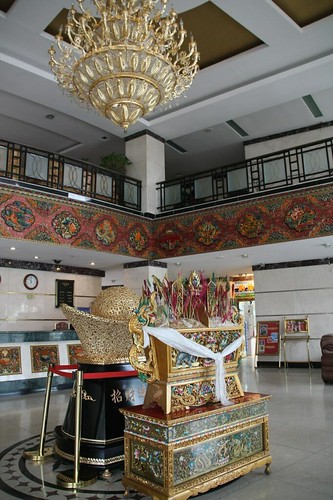
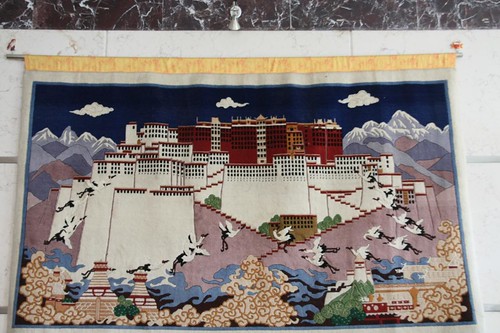
We had our lunch at a hotel. It has this really nice model of a golden tael and a tapestry of the Potala Temple


Jokhang Temple, Lhasa, Tibet

Jokhang Temple is an important landmark for Tibet as it holds the history of the arrival of Buddhism in to Tibet. It is revered as the holiest place in Tibet and houses a precious relic of a Buddha statue brought by King Songtsen Gampo's second wife, Princess Wencheng, as a dowry. Wikipedia has a picture of the Buddha statue inside this hall where photography is not allowed.

Where Jokhang Temple is now standing, was once a lake. To read the story why they chose to fill the lake up to build the temple, click here and here.

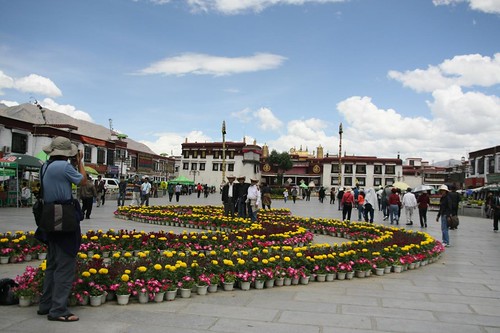
Little pots of flowers arranged in a letter S-like trail


Stalls lined up in front of shops in the square before the Jokhang Temple.


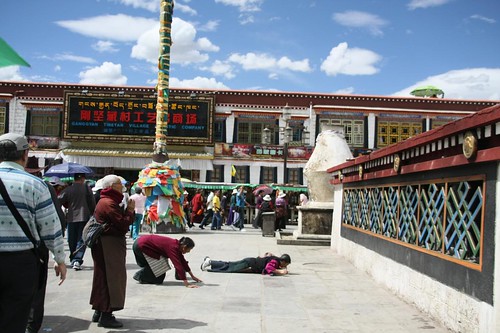
A very tall pole covered with prayer flags. You can read more about prayer flags here.


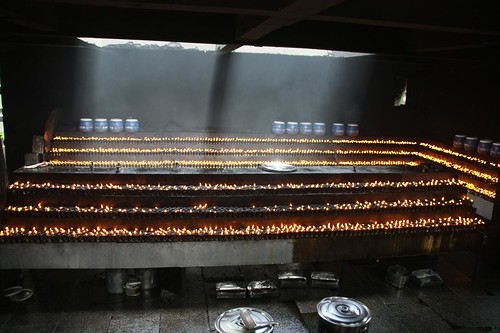
In front of the temple is this building where lighted candles are placed.


Buddhists would stand in front of this building to offer their prayers


Buddism worshippers prostrating in front of the house of lighted candles


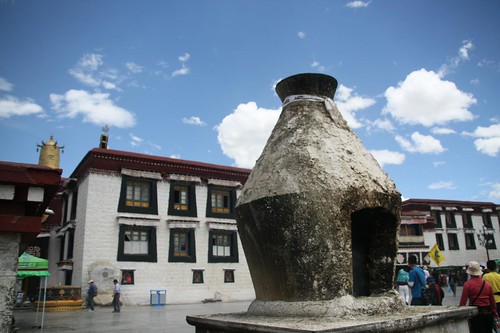
A furnace


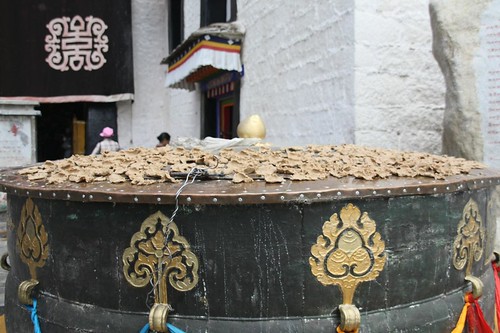
Dried barley dough is placed on top of this drum-like structure for birds to feed on


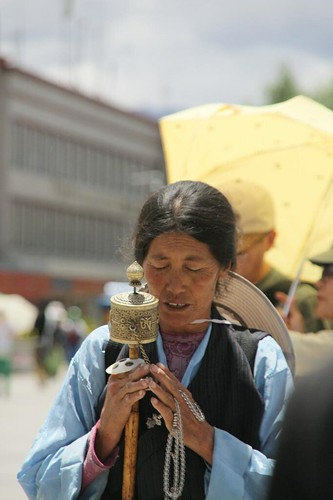
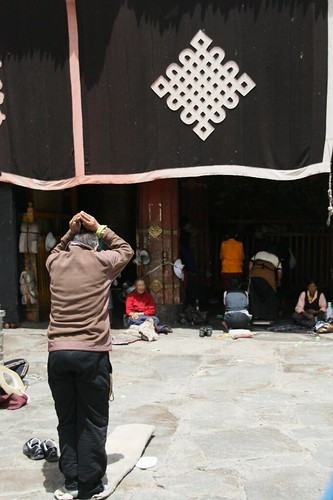
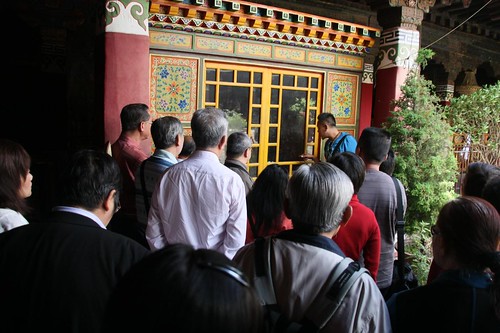
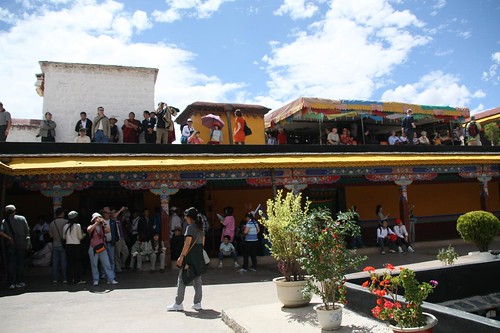
Worshippers and pilgrims are praying. This is the open side of the temple. We got to enter into the temple and venture around the other storeys on the other side of the temple.


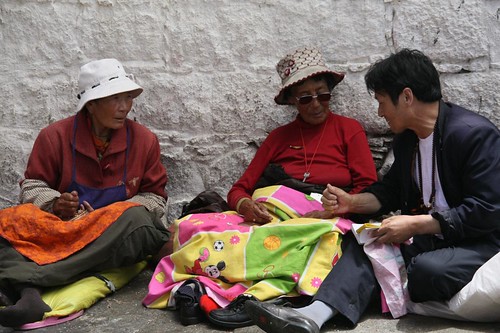
People sitting by the side near the temple and talking to one another


Man with a mat for performing his pilgrimage so as to avoid injury from repetitively postrating, standing and kneeling.


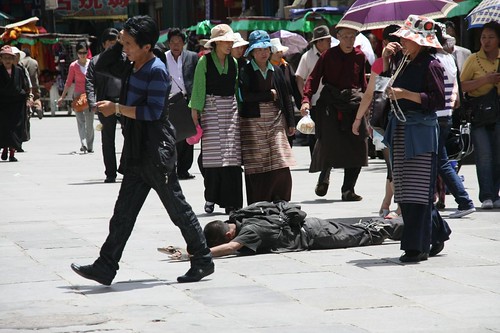
A boy performing his pilgrimage at Bakhor Market, which surrounds the temple


Entering Jokhang Temple from another entrance


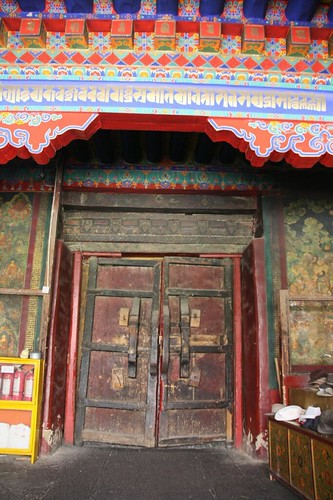
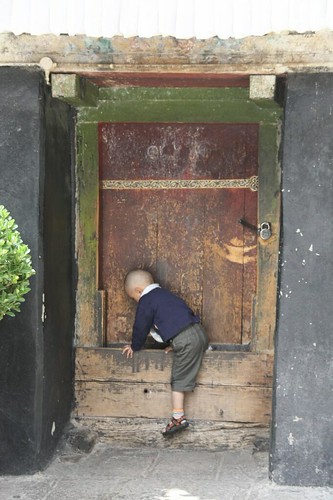
Old wooden door


Water for washing


A little house where the monk sits inside and write prayers for the worshippers


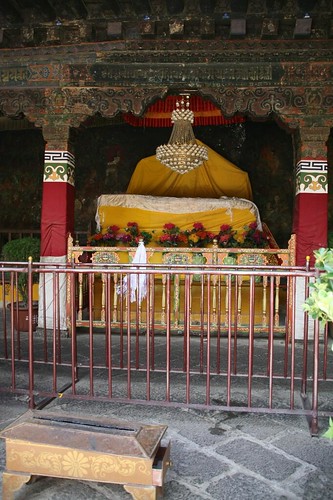
Throne-like couch which the Dalai Lama sits on


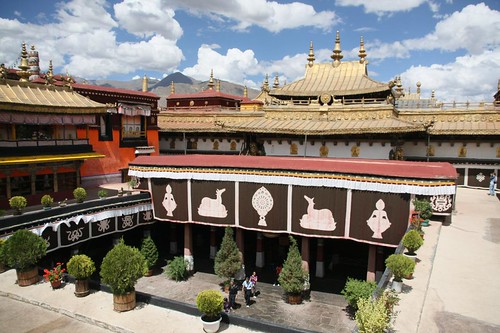
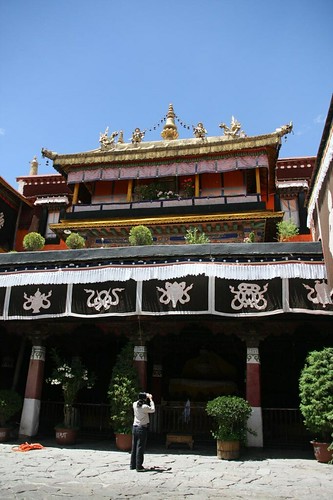
View of the gilded roof and figurines from the central open hall


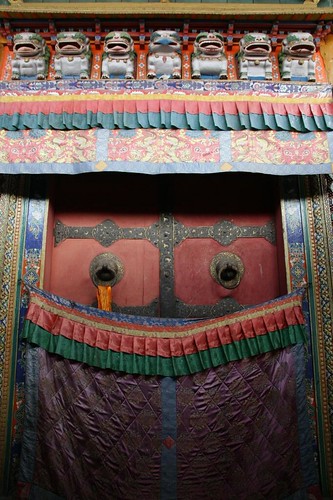
As we enter into the temple, there are usually images of the 4 Gods of the Heavenly Gates, two on each side.


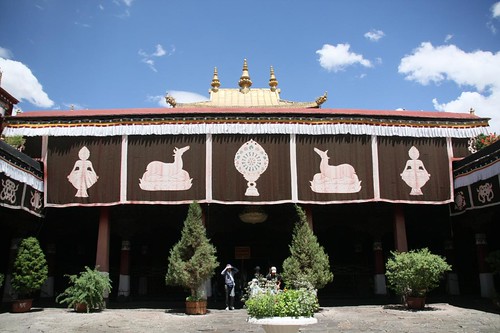
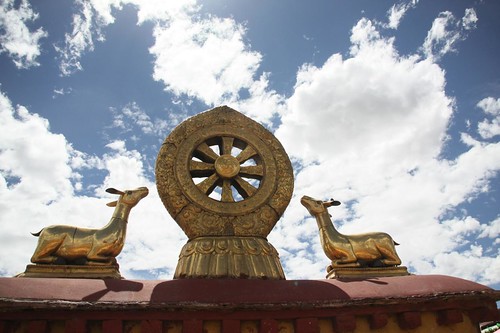
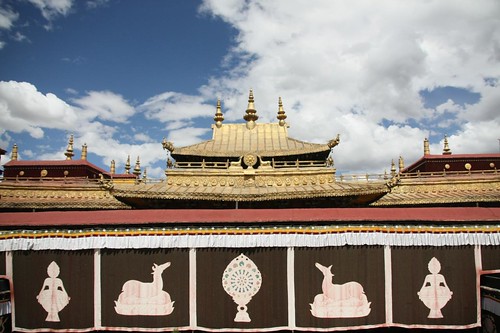
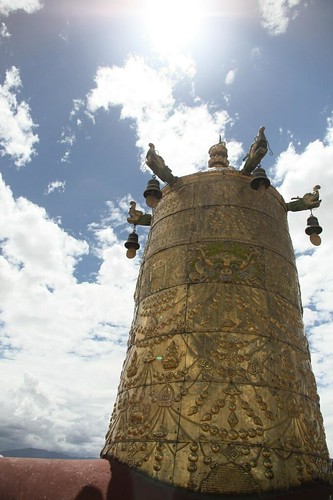
On the highest floor of the Jokhang Temple, you will see the golden deers, the golden Dharma wheel as well as these two massive gold bells. Looking down here is where you will see the main cloister where the open hall is as shown in the earlier picture of people postrating.
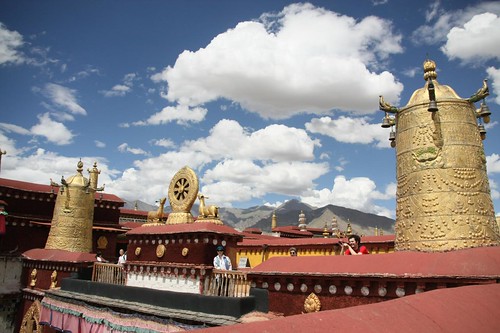


The golden deers looking in adoration towards the golden Dharma wheel


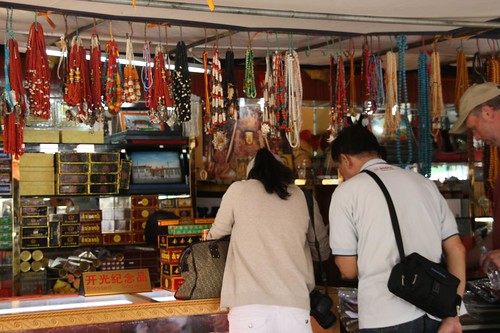
Gift shop in the temple


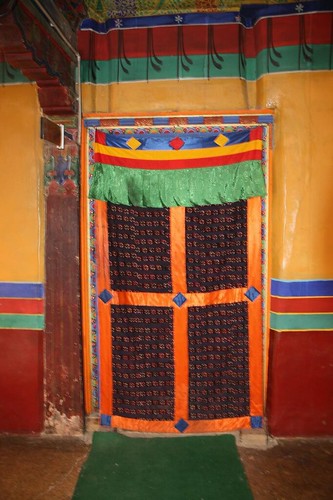
Colourful door and wall


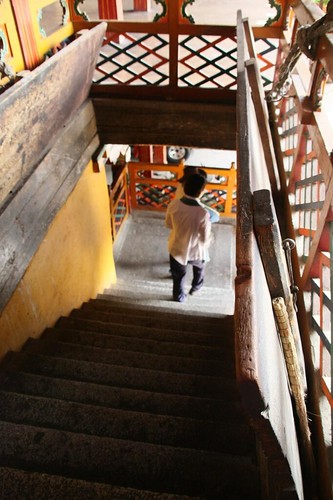
A trap door to close off passage down the stairs